So three days of safari at the magnificent Pilanesberg National Park. It is 12 years since we first visited the park and have probably been five or six times since then. It’s a 2 hour drive from Pretoria, so is perfect for fitting into a wider itinerary. It’s large enough to keep you busy for several days but smaller enough so you can build up knowledge of animal movements and track their journey and progress from day-to-day.
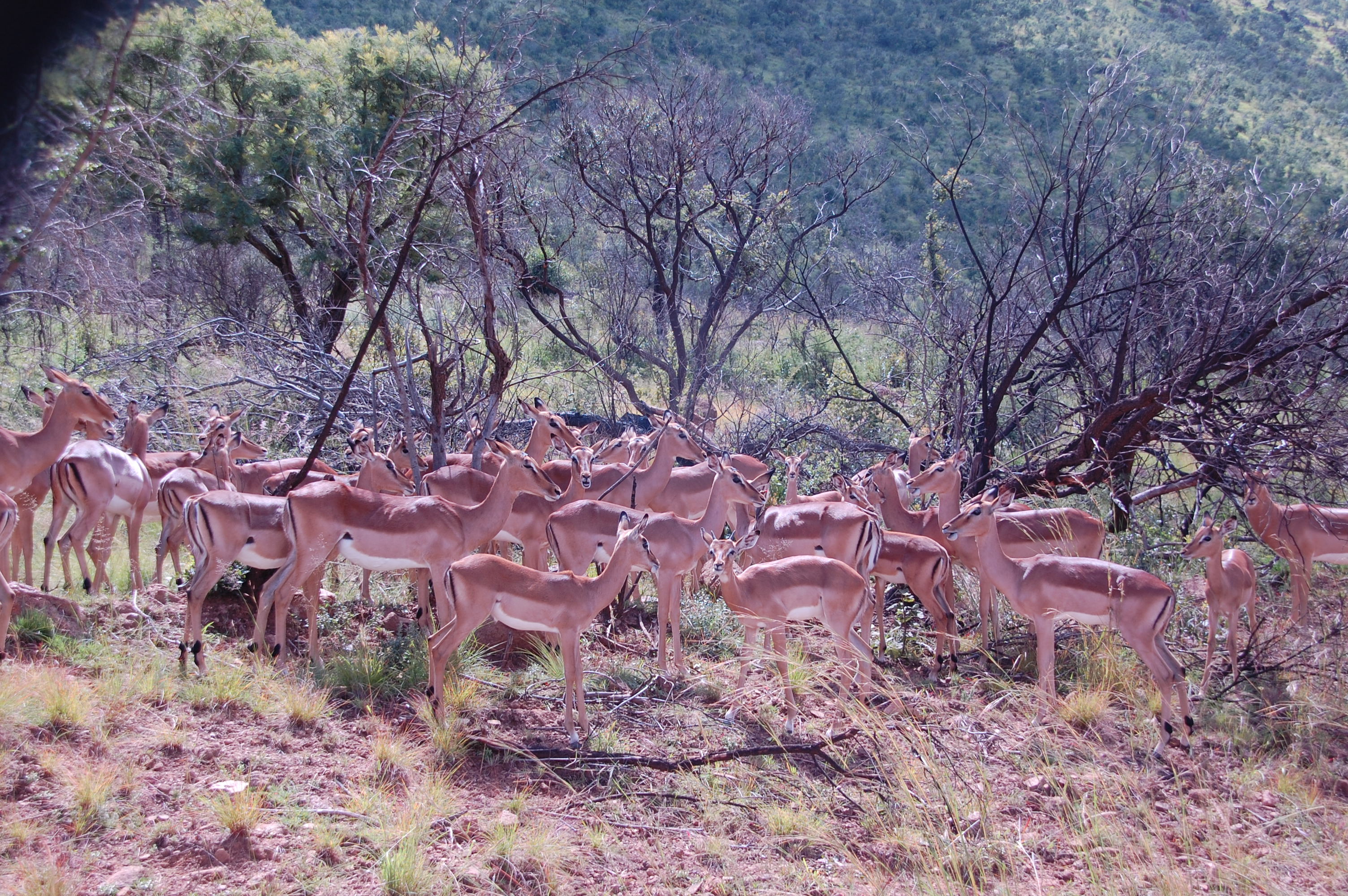
It was obvious the moment we arrived that they had had a phenomenal and unusual amount of rainfall through February and March. It is the first time I had visited this time of the year and it was unusual to see the place so green as opposed to parched and burnt. But because of the rain the grass was incredibly tall and could hide most of the game you might like to see. No chance of seeing any predators then unless we were going to be very lucky. However, in addition the animals looked in great shape: well-fed, sleek and shiny coats, and in case of impalas and wildebeest a number explosion

The drive through from Bakabung gate to our camp in Manyane was great with many very close animal encounters. Those who know my anxiety around animals will understand this comes with some mixed feelings especially with elephants. The snap below of it walking away is how I like to see elephants, not as earlier with it just 10 feet away.

Some great close shots of giraffe at a salt lick and an inquisitive zebra peering into our vehicle.


We start the next day very early. Up at 5:30 a.m. and it’s still dark! Day and night comes suddenly in Africa, so by the time we reach the reception to meet our game guide the dawn has broken, but as we are traveling in an open jeep, we are wrapped up warm against the chill air. It’s always good to take a game drive to get your bearings in the park and find out where the game is with the guide’s superior knowledge and contacts . In our case this morning it was more about where the game wasn’t as we saw very little during our cold morning drive of 3 ½ hours. We ‘bagged’ the black rhino – very rare to see and much more aggressive and elusive than its more plentiful white cousin. We did however find a whole troupe of elephants far away on the hillside, and this enabled us to do some self-drive tracking later in the day with more close encounters of the main herd with a nursery of small elephants.
On the way back that evening we even managed to trail a male lion although as it was after dusk it was impossible to photograph.
And so the four days continued with us managing to follow zebra, wildebeest, rhinos, elephants, impalas, springbok, hartebeest, hippos,steenbok and kudu. On the small side we saw jackal, a leopard tortoise, honey badgers and mongooses. We are still debating if it is mongooses or mongeese.The bird life and butterflies were colourful and abundant. The roads were at times impassable. the rains having created deep gullies and potholes that made the driving hazardous and exciting.
It was good to see that the rhino population has remained high, despite the rise in poaching in the whole country. 277 of the endangered animals killed this year despite government attempts to clamp down on poaching, the environment ministry said Wednesday. Illegal hunting is up more than a third compared to the same time a year ago, when 203 of the giant animals were slaughtered by poachers, the ministry said in a statement. More than half of the attacks were in Kruger National Park, where 166 animals were killed in the first three months of 2014, despite the deployment of troops to protect them.

Four rhino carcasses with sawn-off horns have been found in a Pilanesberg. A fifth rhino was found still alive, but with its horns sawn off and with a gunshot wound in the back. It later died.
Their horns are becoming increasingly sought-after especially as unproven cure-all in the Far East, and can sell for up to $60 000 (about R429 000) per kilogram on the black market.” One rhino horn can weigh up to 8kg.
It is hard to countenance how greed can have such brutal effects on such magnificent and endangered animals in this amazing landscape.
 Teaching and Learning Without Bounds